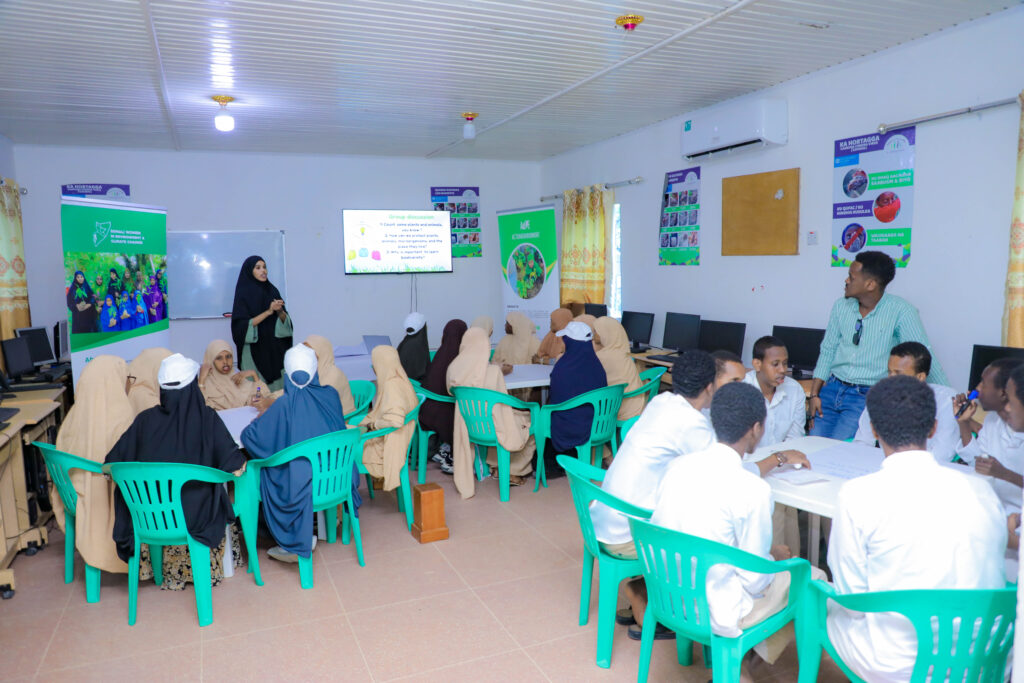
World Biodiversity Day 2025: Growing Conservation from the Classroom
On World Biodiversity Day 2025, we embraced the global call to “Be Part of the Plan” by turning our focus to the next generation—empowering young minds to understand, appreciate, and protect the living world around them. Through a dynamic school-based program, we brought biodiversity education to life, blending knowledge, creativity, and hands-on action in a way that left a lasting impression on every participant.
Our workshop was carefully designed to engage students in conversations about ecosystem balance, species interdependence, and conservation challenges. Rather than simply discussing biodiversity in abstract terms, we focused on relatable, real-world examples—from the birds in their playground trees to the insects that pollinate nearby crops. Students learned that biodiversity isn’t just something that exists in distant rainforests or national parks—it thrives (and suffers) in the places we see every day, including urban schoolyards and neighborhoods.
With guidance from our facilitators and educators, students explored how human actions affect biodiversity, and how small behavioral changes—like avoiding plastic waste, planting native flowers, or caring for animals—can have ripple effects in restoring balance to local ecosystems. They were encouraged to ask big questions: Why are some species disappearing? What happens when ecosystems collapse? What can we do about it, starting today?
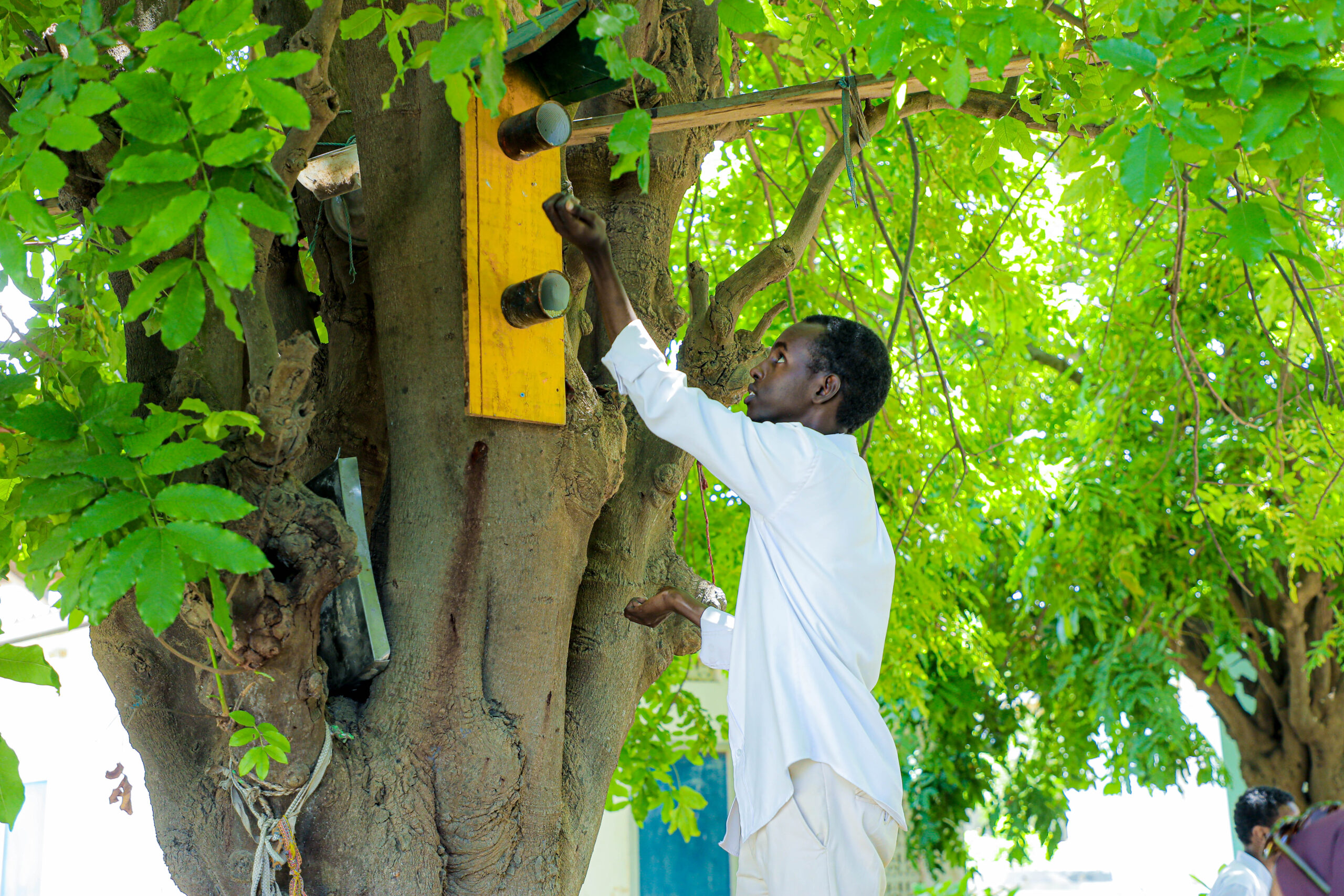
To make the learning tangible, we organized a field-based activity within the school: a visit to the bird feeding stations the students had helped construct in earlier months. This simple yet meaningful exercise turned into a powerful moment of reflection. As students watched birds feed, chirp, and move freely in the space they helped create, many of them expressed a deeper sense of ownership and pride. They were no longer just learning about biodiversity—they were actively participating in it.
The bird feeding stations served as a real-life example of how local action supports global goals. Students observed species diversity, talked about food preferences of birds, and even noted changes in bird visits since the stations were first installed. They were encouraged to monitor and report bird activity regularly, turning this project into a living science experiment that fosters observation, responsibility, and environmental connection.
In addition to the outdoor activity, students took part in a creative corner, where they expressed their understanding of biodiversity through art, poetry, and group presentations. These moments allowed them to process what they had learned in personal and imaginative ways. One student painted a tree with animals from roots to branches, calling it “The Tree of Life.” Another wrote a poem titled “We Are All Connected.” These artistic expressions demonstrated that biodiversity is not just a scientific concept—it’s emotional, cultural, and deeply human.
This year’s Biodiversity Day reaffirmed our belief that children are not just future leaders—they are present-day protectors of nature. By providing them with the right tools, knowledge, and encouragement, we are shaping a generation that views conservation not as a duty but as a way of life. Their actions, no matter how small, carry meaning and momentum.
As we continue to scale up our environmental education programs, we commit to creating more opportunities for children and youth to lead, learn, and act for biodiversity. We hope to see more schools joining this journey, more bird feeding stations installed, more native gardens planted, and more youth-driven projects that speak loudly to the world: we care, and we are ready to protect our planet.
Because when young people care for the smallest creatures, they grow into guardians of the entire Earth.