Biodiversity Education Through Birdfeeding Stations – SOS Children’s Village School
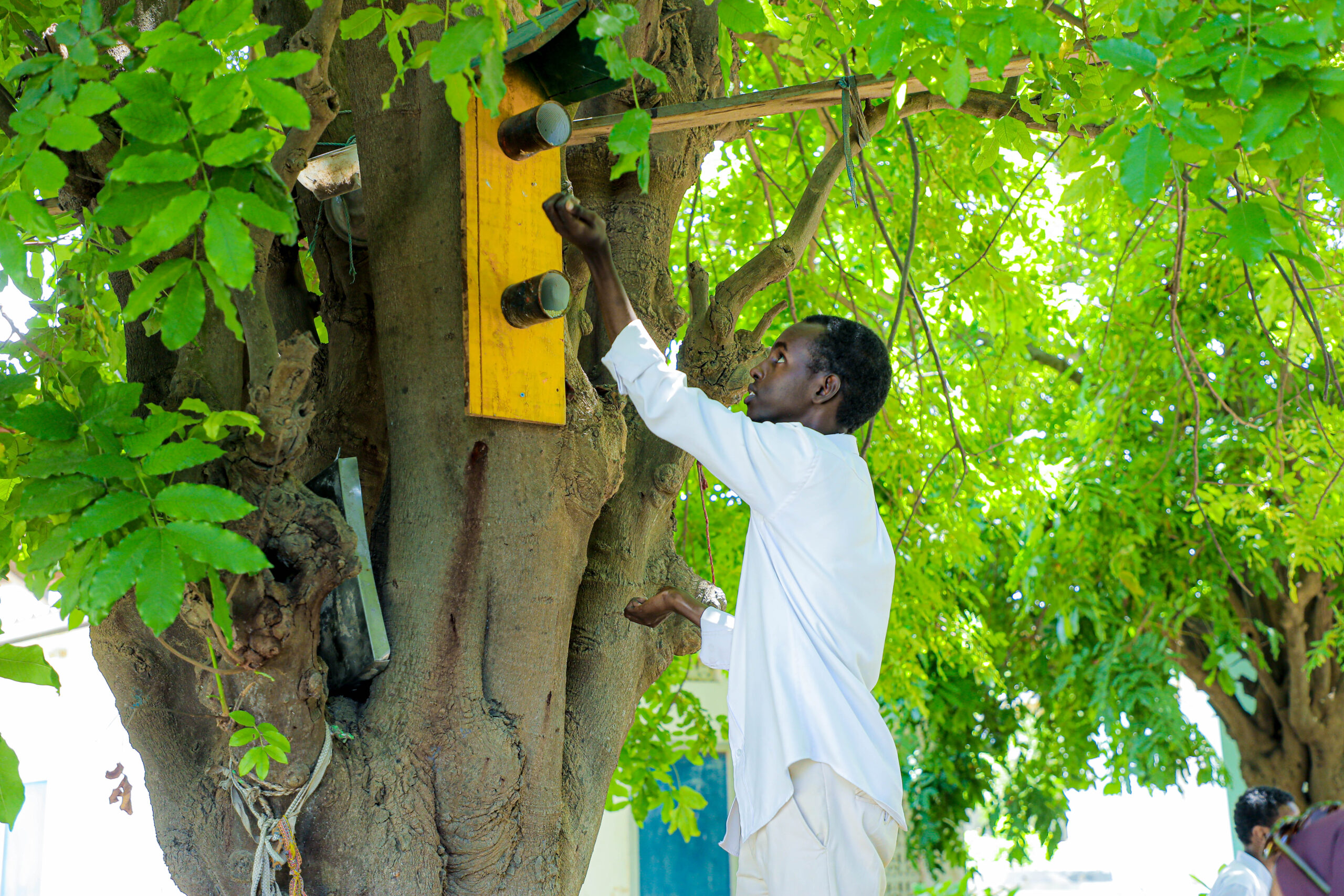
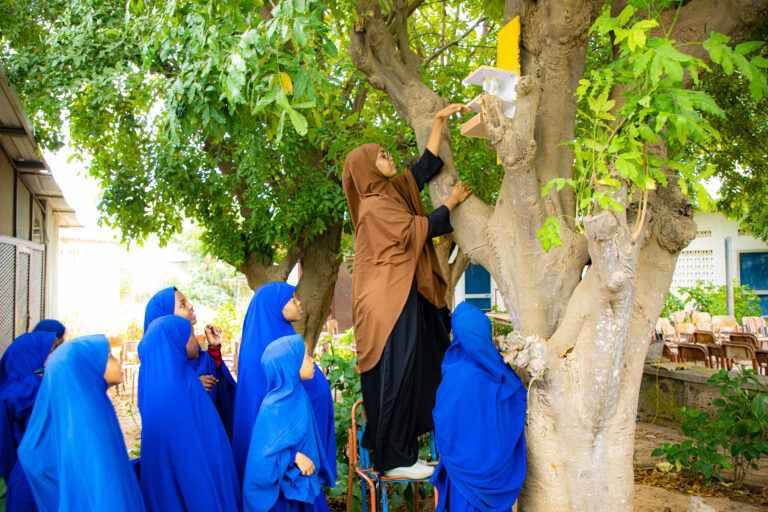
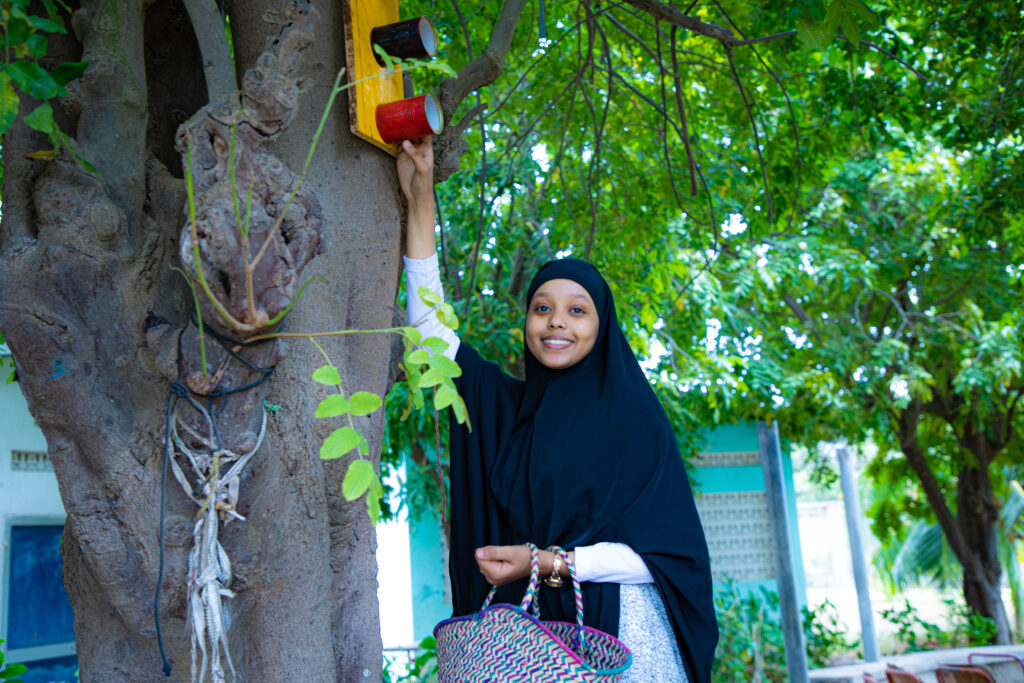
In celebration of the International Day for Biodiversity on May 22, 2024, Action for Environment (A4E) launched a creative and hands-on initiative to promote biodiversity education by installing birdfeeding stations at SOS Children’s Village School in Mogadishu. This unique activity served as a dual-purpose intervention—enhancing local biodiversity while simultaneously acting as a living classroom for environmental learning.
Urban environments often lack natural green spaces and wildlife interaction opportunities, making it difficult for students—especially in city settings—to form a connection with nature. Recognizing this gap, A4E introduced birdfeeding stations as interactive environmental learning tools. The idea was simple yet impactful: by attracting local bird species to the school compound, students could directly observe biodiversity in action and develop a personal connection to urban wildlife.
The initiative aligned with the 2024 Biodiversity Day theme: “Be Part of the Plan,” encouraging individuals and institutions to take tangible steps in protecting and restoring nature.
Several birdfeeding stations were set up across the school’s outdoor areas, using safe, eco-friendly, and locally available materials. Each station was placed in a visible, shaded area with access to water and trees, making it an ideal stop for native and migratory bird species.
To maximize the educational value of the project:
Teachers incorporated biodiversity topics into science lessons, encouraging students to record bird species, feeding patterns, and behavior.
A student-led “Birdwatching Journal” activity was launched, allowing children to sketch, write about, and reflect on their observations.
A4E staff conducted short workshops on the importance of birds in ecosystems, their roles as pollinators, seed dispersers, and indicators of environmental health.
Impact and Learning Outcomes
The birdfeeding station project generated enthusiastic participation and curiosity among students and staff alike. Some of the key outcomes included: Increased awareness among students about the diversity and ecological roles of urban birds.
A stronger sense of responsibility and environmental stewardship among the youth, as they took turns maintaining the stations and ensuring the birds had clean food and water.
Opportunities for cross-curricular learning, where subjects like biology, art, and language were integrated through nature journaling, storytelling, and drawing.
A deeper understanding of the connection between biodiversity, sustainability, and human well-being, reinforcing global conservation messages in a local context.
The activity also provided moments of joy and calm, fostering mental well-being through regular interaction with nature—something particularly valuable in urban school environments.
Looking Ahead
Inspired by the positive response from students and teachers, A4E began advocating for the wider adoption of birdfeeding stations in other schools, parks, and community spaces across Somalia. The organization views these stations not merely as decorative features, but as low-cost, high-impact tools for:
Boosting urban biodiversity in degraded or low-green areas.
Encouraging youth-led conservation efforts.
Fostering nature-based education in both formal and informal learning settings.
A4E plans to develop a “Biodiversity Starter Kit” to help schools replicate the model, including guides on station setup, species identification charts, and templates for biodiversity lesson plans.
Conclusion
The birdfeeding station initiative at SOS Children’s Village School transformed a simple act—feeding birds—into a powerful symbol of youth engagement and environmental action. It demonstrated that fostering biodiversity doesn’t always require large-scale interventions; small, thoughtful actions—especially when rooted in education—can spark meaningful change.
As Somalia continues to face challenges related to urbanization, climate change, and ecosystem degradation, such grassroots efforts are essential. By nurturing curiosity, empathy, and responsibility in young people, A4E is sowing the seeds of a more biodiverse and environmentally conscious future.